您现在的位置:南方都市网>资讯
A Deeper Look at “Pin Hun”: How Lan Xiaoxiu Maps the Changin
“Pin Hun: Understanding the Emotional Lives of Chinese Women,” (《拼婚:中国女性情感解读》)recently released in Chinese by a United Kingdom–based publisher, offers international readers an illuminating window into the evolving emotional world of contemporary Chinese women. The book, originally published in Chinese, reflects years of observation, cultural reflection, and close listening by its author, Lan Xiaoxiu, a multilingual writer widely known for her sensitive and insightful portrayals of women’s lives. Now living in the United States, she studies language and culture and teaches language and writing at a university. This cross-cultural vantage point gives her work a depth and resonance that travel across borders.
In conversation, Lan describes “Pin Hun” as a project born from witnessing how Chinese women have grown and adapted during a period of rapid, complex change. She notes that as society evolves, economically, socially, and culturally, the emotional vocabulary available to women has expanded as well. “Women today are not only responding to change,” she reflects. “They are shaping it. Their emotional lives reveal how thoughtfully and creatively they navigate new possibilities and new expectations.”
The book’s title concept, “拼婚” (Pin Hun), reflects this complexity. Far from suggesting anything negative, the term describes a contemporary reality in which partnership and marriage involve multiple dimensions, not only affection and connection, but also practical considerations related to work, family, long-term planning, and the pursuit of a stable life. Lan is careful to emphasize that this complexity is not a loss of romance, but an enrichment of understanding. “When society becomes more layered,” she explains, “people naturally consider more aspects of their future. It shows maturity, not conflict.”
Throughout the book, Lan traces how women interpret these layers with composure and clarity. She writes about women balancing personal aspirations with family values, maintaining cultural continuity while exploring more open forms of emotional expression, and learning to integrate tradition and modern rhythm into their everyday lives. What she sees is not pressure, but adaptability; not tension, but quiet intelligence. “Emotional life is one of the clearest mirrors of how a society grows,” she says. “When you watch women’s emotions evolve, you are really watching cultural evolution itself.”
Lan’s approach is grounded in close observation. She pays attention to the subtleties of daily life, the way younger women articulate autonomy with calm confidence, how intergenerational relationships evolve with more mutual understanding, how communities reinterpret familiar traditions with renewed warmth. These details, she notes, are often invisible from the outside but deeply meaningful within their cultural context. “The beauty of these experiences,” she says, “is that they show how people find balance during change, how they turn complexity into possibility.”
For American readers, the book offers a valuable cross-cultural reference point. Emotional expression in Chinese culture often prioritizes balance, relational awareness, and consideration for others. These values shape how women speak about their experiences and how they make decisions. Lan explains that what may appear understated to a Western audience is frequently a sign of thoughtfulness, dignity, and emotional maturity. “Understanding emotional life in China means paying attention to nuance,” she says. “It means seeing the quiet ways people care for one another.”
Yet despite cultural differences, Lan believes the themes in “Pin Hun” resonate globally. Women everywhere navigate their futures with a blend of hope, realism, and emotional insight. They manage expectations, maintain relationships, and adapt to the rhythms of their time. “This is what I find most moving,” she reflects. “Across cultures, women share a remarkable ability to grow with change rather than be defined by it.”
The strength of “Pin Hun” lies in its ability to portray this growth with warmth and clarity. The book does not aim to explain Chinese society through grand statements; instead, it does so through the quiet precision of everyday observations. In doing so, it offers readers—whether in China, the United States, or elsewhere—a chance to witness how women reinterpret tradition, embrace transformation, and cultivate emotional depth in a new era.
Thoughtful, grounded, and full of cultural insight, “Pin Hun” stands as a meaningful resource for anyone interested in contemporary Chinese society, women’s emotional cultures, or cross-cultural understanding. It invites readers to see Chinese womanhood not through stereotypes or assumptions, but through the vivid emotional lives of women who continue to adapt, imagine, and grow.
- 已推荐
- 0
- 凡本网注明"来源:的所有作品,版权均属于中,转载请必须注明中,http://www.nfdushi.com。违反者本网将追究相关法律责任。
- 本网转载并注明自其它来源的作品,目的在于传递更多信息,并不代表本网赞同其观点或证实其内容的真实性,不承担此类作品侵权行为的直接责任及连带责任。其他媒体、网站或个人从本网转载时,必须保留本网注明的作品来源,并自负版权等法律责任。
- 如涉及作品内容、版权等问题,请在作品发表之日起一周内与本网联系,否则视为放弃相关权利。
- 01做泰国电商的"合法拆弹专家":一个被逼成

她是我见过在泰国电商领域最能扛事、最敢硬刚问题的人。我们认识[详细]
- 02A Deeper Look at “Pin Hun”: How Lan Xiaoxiu Maps the Chang

Pin Hun: Understanding the Emotional Lives of Chinese Women,[详细]
- 03Understanding “Pin Hun” in a Changing Era: A Feature on La
Pin Hun: Understanding the Emotional Lives of Chinese Women,[详细]
- 04A Conversation with Lan Xiaoxiu: On Writing “Pin Hun” and
As Pin Hun: Understanding the Emotional Lives of Chinese Wom[详细]
- 05Understanding Chinese Womanhood Through Emotion: Introducing
Pin Hun: Understanding the Emotional Lives of Chinese Women [详细]
- 06A Deep Cultural Portrait of Chinese Womanhood: Introducing
Pin Hun: Understanding the Emotional Lives of Chinese Women [详细]
- 07A New Exploration of Chinese Womanhood in Pin Hun
Pin Hun: Understanding the Emotional Lives of Chinese Women [详细]
- 08[Pin Hun]: Understanding the Emotional Lives of Chinese Wome
Pin Hun : Understanding the Emotional Lives of Chinese Women[详细]
- 091100W+观看!央视镜头下的有机黄芪,每一根都来之不易
- 01巴拉巴拉“型走秋日”跨界新品,惊艳2020年
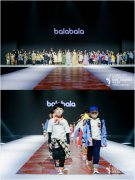
8月21日,儿童时尚生活方式品牌巴拉巴拉再次亮相2020中国国际儿[详细]
- 02"庄子杯"新疆赛区中国最美妈妈公益评选大赛 新闻发布会暨首场
2018年10月11日下午,庄子杯新疆赛区中国最美妈妈公益评选大赛新[详细]
- 03联合交易所正式上线!-联合世界交易全球铸造数字交易所典范
(中华报道新闻通讯社 记者凌利平 通讯员李寒剑) 2020 年 7 月 [详细]
- 04维兰尼绿兽:减肥不走寻常路
访广东名企维兰尼生物科技有限公司 2019 年4月9日,记者夤辉 通[详细]
- 052018第二届海南国际咖啡大会暨咖啡及饮品展览会于11月16日在海口
11 月 16 日 , 以中国咖啡推动者为主题的 2018 第二届海南国际咖[详细]
- 06黄三承:谈生活智慧中的道家思想
当今社会,经济快速发展,科学和技术也在发生着日新月异的变化,[详细]
- 07陕西省全民健身操舞推广 委员会联谊会盛大召开!
(通讯员 : 王立甲 ) 2018 年 12 月 8 日上午,陕西省全民健身[详细]
- 08维兰尼绿兽:减肥不走寻常路
访广东名企维兰尼生物科技有限公司 2019 年4月9日,记者夤辉 通[详细]
- 09第104届巴拿马太平洋万国博览会颁奖典礼在美国会展城 维加斯隆重
2019年10月2日 中华报道新闻通讯社 凌利平 拉斯韦加斯 2019 年 1[详细]
- 01大角鹿春节亮相40多个机场 红红火火过大年
世界再大,也要回家过年! 红红火火过大年!大角鹿与航美传媒2019年[详细]
- 02第八届中国创新创业大赛收官,大连8家企业获优秀企业奖
近日,由科技部、财政部、教育部、中央网信办、全国工商联等单位[详细]
- 03九先生轰趴品牌,致力于轰趴服务业!
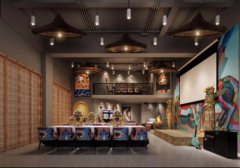
社交是年轻人生活中不可缺少的一部分,越来越多的年轻人需要通过[详细]
- 04浙江洛妍科技:软件开发企业技术才是核心
近几年开始,互联网营销行业处于爆发期,相关的产品以及公司开满[详细]
- 05不止换新补贴和分期免息,三星S10系列超大内存带来非凡体验
作为三星 2019 年的开年旗舰, Galaxy S10 系列是当之无愧的高端[详细]
- 06捷报传来!南山集团旗下南山铝业董事长喜获烟台市表彰
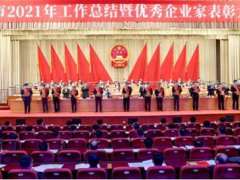
5月5日上午,烟台市委市政府召开全市2021年工作总结暨优秀企业家[详细]
- 07通往亚太地区门户布里斯班—Queen’s Wharf Tower项目
布里斯班是澳大利亚昆士兰州首府,也是澳大利亚的第三大城市,大[详细]
- 08第十九届成都建博会 蓝天豚邀您见证生态科技的力量
亿万富豪未可期,百万富豪犹可及。 蓝天豚成就你的百万富豪梦 20[详细]
- 09三星Galaxy A6s渐变色时尚来袭 手机的色彩大战一触即发
曾几何时,共享单车行业因为五颜六色的车身比拼被戏称为 彩虹大[详细]